When the curtains rose at the Palais des Sports in Paris on September 22, 2005, few could have predicted the cultural phenomenon that would emerge. Le Roi Soleil, the spectacular French musical chronicling the life and loves of Louis XIV, would go on to captivate over 1.2 million spectators during its two-year run. This dazzling production, with its fusion of historical storytelling and contemporary musical styles, created a new benchmark for European theatrical spectacle while immortalizing the Sun King’s extravagant reign for modern audiences.
The Sun King Reimagined: Historical Context and Theatrical Vision
Louis XIV, who ruled France for an unprecedented 72 years (1643-1715), earned his moniker “The Sun King” through his deliberate cultivation of an image of divine splendor. The musical Le Roi Soleil masterfully captures this historical figure’s complex legacy, balancing factual events with artistic interpretation to create a compelling narrative accessible to modern audiences.
The production, conceived by Dove Attia and Albert Cohen, took a bold approach to portraying the monarch’s life. Rather than attempting a dry historical recreation, they focused on the emotional core of Louis’ story – his romantic relationships, political struggles, and artistic vision – set against the backdrop of a tumultuous period in French history.
“We didn’t want to create a museum piece. Our goal was to bring Louis XIV to life for contemporary audiences by finding the universal human elements in his story – love, power, ambition – and expressing them through modern musical language while respecting the historical context.”
Dove Attia, Producer of Le Roi Soleil
The musical follows Louis from his youth during the Fronde civil war through his romantic entanglements with Marie Mancini, Françoise-Athénaïs (Marquise de Montespan), and Françoise d’Aubigné (Marquise de Maintenon). It also touches on significant historical events including the construction of Versailles, the mysterious Man in the Iron Mask, and the notorious Poison Affair.
Baroque Spectacle on Stage: The Elements of Extravagance
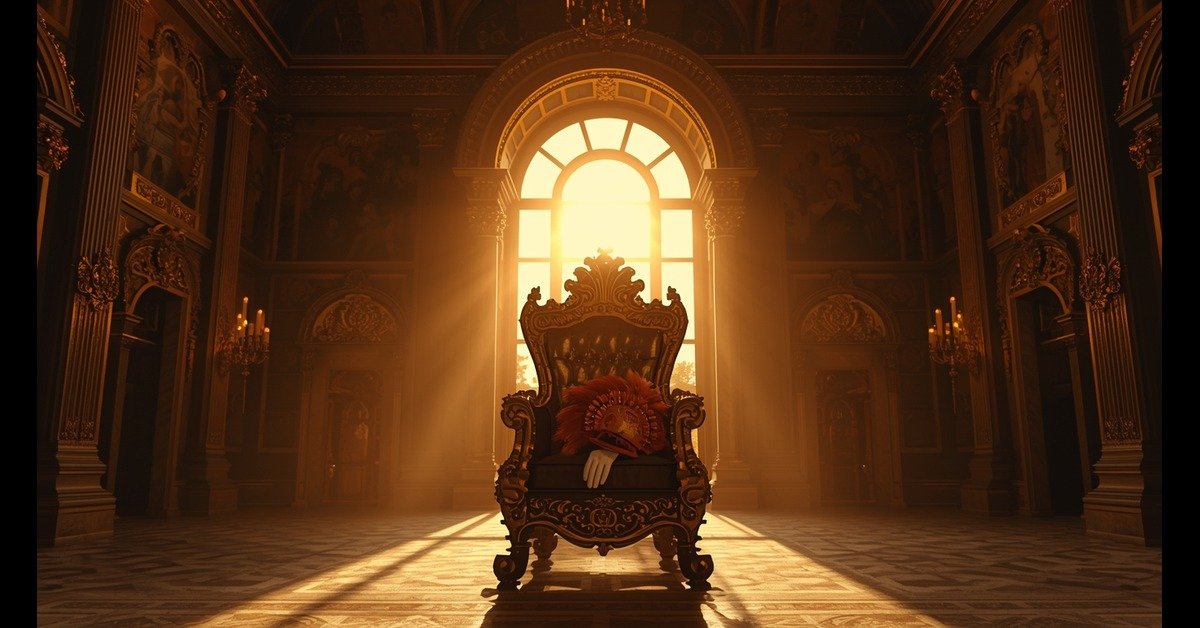
What set Le Roi Soleil apart from other historical musicals was its uncompromising commitment to spectacle – a fitting tribute to a monarch who understood the political power of artistic grandeur. The production’s lavish elements worked in harmony to create an immersive experience that transported audiences to the courts of 17th century France.
Costumes: From Historical Accuracy to Contemporary Flair
The costume design for Le Roi Soleil brilliantly balanced historical inspiration with theatrical impact. While Louis XIV’s outfits maintained period authenticity with embroidered coats, lace collars, and the iconic high-heeled shoes he popularized, other characters received more creative interpretations. Most notably, Monsieur (Louis’ brother, played by Christophe Maé) sported an anachronistic mohawk and dreadlocks that, while historically inaccurate, perfectly conveyed the character’s flamboyant personality to modern audiences.
Music: The Baroque-Pop Fusion That Conquered France
The soundtrack of Le Roi Soleil, which sold over one million copies and won two NRJ Music Awards (the French equivalent of the MTV Music Awards), represents one of the production’s most enduring legacies. Composers William Rousseau and Rodrigue Janois created a distinctive sound that merged baroque musical elements with contemporary pop and rock sensibilities.
Standout songs include “Je Fais De Toi Mon Essentiel” (Louis and Marie’s love duet), “Être à la Hauteur” (Louis’ coronation anthem), and “Tant Qu’on Rêve Encore” (the stirring ensemble finale). The music’s accessibility helped the production transcend the typical musical theater audience to become a mainstream cultural phenomenon in France.
Set Design and Special Effects: Versailles Reimagined
The set design for Le Roi Soleil faced the monumental challenge of representing the grandeur of Versailles within the constraints of a theatrical space. The solution combined physical set pieces with innovative projection techniques and lighting effects to create transformative environments that shifted seamlessly between the battlefields of the Fronde, the intimate royal chambers, and the magnificent Hall of Mirrors.
Particularly memorable were the aerial acrobatics that punctuated key moments in the production, with performers suspended above the stage in a visual metaphor for the elevated status of the monarchy and the celestial imagery Louis cultivated around himself.
5 Extravagant Moments from Le Roi Soleil
- Louis XIV’s coronation scene with “Être à la Hauteur,” featuring Emmanuel Moire descending from the ceiling amidst stars and light effects
- The “Ballet des Planètes” instrumental sequence showcasing elaborate choreography inspired by Louis XIV’s own dancing in the Ballet Royal de la Nuit
- The spectacular “Bal des Monstres” masquerade ball scene with its carnival-like atmosphere and acrobatic performances
- The dramatic “Requiem Aeternam” sequence depicting Louis’ near-death experience and political resurrection
- The final ensemble performance of “Tant Qu’on Rêve Encore” with the entire cast in their most elaborate costumes under a shower of golden light
From Paris to Global Stage: Reception and Cultural Impact
When Le Roi Soleil premiered in 2005, it received a mixed critical reception. Some traditional theater critics questioned its historical liberties and pop music sensibilities, while others praised its innovative approach to making French history accessible to contemporary audiences. What was undeniable, however, was its commercial success and cultural impact.
The production’s two-year run in Paris consistently sold out the 4,500-seat Palais des Sports, and its soundtrack dominated French music charts. Several cast members, including Emmanuel Moire (Louis XIV) and Christophe Maé (Monsieur), leveraged their visibility in the show to launch successful solo music careers.
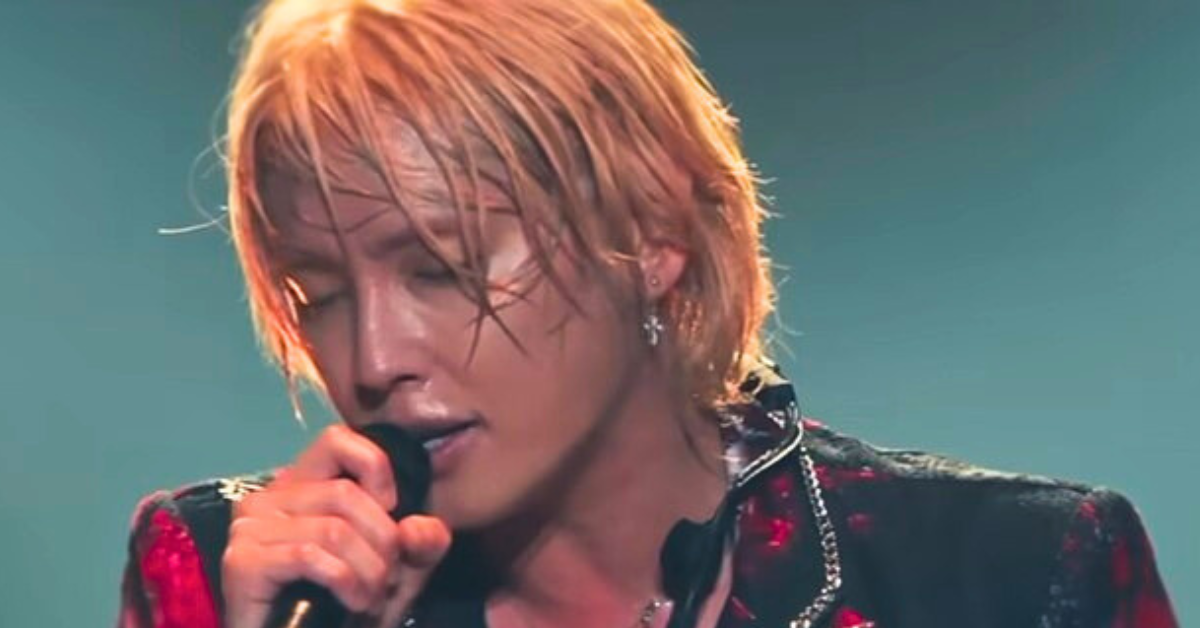
Beyond France, Le Roi Soleil found international recognition, particularly in francophone countries and Japan. In 2014, the all-female Takarazuka Revue adapted the musical for Japanese audiences, with star performer Reon Yuzuki taking on the role of Louis XIV. This cross-cultural adaptation demonstrated the universal appeal of the production’s themes and spectacle.
Artistic License vs. Historical Truth: Separating Fact from Fiction
Like many historical productions, Le Roi Soleil takes certain liberties with historical facts to create a more cohesive and dramatic narrative. Understanding these creative choices helps audiences appreciate both the artistic merits of the musical and the fascinating reality of Louis XIV’s reign.
Historical Accuracies
- Louis XIV’s love affair with Marie Mancini and their forced separation due to political considerations
- The construction of Versailles as a means to centralize power and control the nobility
- Louis’ marriage to Françoise d’Aubigné (Madame de Maintenon) despite her humble origins
- The Poison Affair scandal that implicated members of the aristocracy in witchcraft and murder
- The mysterious existence of the Man in the Iron Mask, though his true identity remains debated by historians
Artistic Liberties
- Compressing the timeline of events that actually spanned decades
- Simplifying complex political situations for dramatic effect
- Exaggerating Louis’ near-death experience during battle
- Modernizing character personalities to make them more relatable to contemporary audiences
- Creating fictional interactions between historical figures who may never have met in such circumstances
Despite these creative liberties, historians have noted that Le Roi Soleil succeeds in capturing the essence of Louis XIV’s reign and personality. The musical effectively communicates his transformation from a young king struggling to assert his authority to the absolute monarch who declared “L’État, c’est moi” (“I am the state”) and whose 72-year reign defined an era of French history.
The Enduring Legacy of Le Roi Soleil in Modern Culture
Nearly two decades after its premiere, Le Roi Soleil continues to influence how modern audiences perceive Louis XIV and the French Baroque period. The production’s legacy extends beyond theater into music, fashion, and even historical tourism.
The musical has been credited with sparking renewed interest in French history among younger generations. Tourism officials at Versailles have noted an increase in visitors citing the musical as their introduction to Louis XIV, particularly from Japan following the Takarazuka Revue adaptation.
In the realm of musical theater, Le Roi Soleil helped establish a distinctly French approach to historical musicals that differs from both Broadway and West End traditions. Its success paved the way for subsequent French historical productions including Mozart, l’opéra rock and 1789: Les Amants de la Bastille.
The production’s soundtrack continues to find new audiences through streaming platforms, introducing international listeners to French musical theater. Songs like “Je Fais De Toi Mon Essentiel” have become standards in the French musical canon, covered by numerous artists and featured in singing competitions.
Perhaps most significantly, Le Roi Soleil demonstrated that historical subjects could be made accessible and entertaining without sacrificing their educational value. By finding the human stories within the grand historical narrative, the production created an emotional connection between modern audiences and figures from the distant past.
The Sun King’s Theatrical Resurrection
Le Roi Soleil stands as a testament to the enduring fascination with Louis XIV and his extravagant reign. Through its innovative blend of historical storytelling, contemporary music, and spectacular staging, the musical succeeded in bringing the Sun King back to life for modern audiences.
Just as Louis XIV understood the power of artistic expression to shape his image and legacy, the creators of Le Roi Soleil harnessed the emotional impact of musical theater to illuminate a pivotal period in French history. In doing so, they created not just a successful theatrical production, but a cultural phenomenon that continues to influence how we perceive the past.