Die Goldene Henne: Germany’s notable media award
Established in 1995, the Goldene Henne has grown into one of Germany’s most prominent media awards. Named in honour of DDR entertainer Helga Hahnemann — affectionately known as the “Henne” — the prize recognises outstanding figures from music, entertainment, sport, politics and society.
Organised by MDR and the magazine SuperIllu, the Goldene Henne brings together East and West in a glamorous televised gala. Winners are often chosen through a combination of public voting and expert juries, giving the award both popular and professional legitimacy. The event’s wide reach amplifies any artist’s exposure: in recent years the live broadcast and online highlights have reached millions of viewers and fans across Germany.
Highlights of the Goldene Henne 2025
Watch the most emotional moments from the awards, including Der Graf’s moving return.
Der Graf and Unheilig: a musical success story
Unheilig was founded in 1999 by the charismatic frontman Der Graf and evolved from a gothic-scene tip into one of Germany’s most successful music projects. As a singer and songwriter, Der Graf combined a deep, unmistakable voice with emotionally charged lyrics to create a sound that blends rock, pop and electronic elements.
The group’s commercial breakthrough came in 2010 with the album Große Freiheit and the single “Geboren um zu leben,” which became one of the best-selling German-language songs ever. That success brought sold-out tours, multiple number-one albums and numerous awards — a track record that helps explain why this comeback matters now.
Unheilig’s biggest hits
- Geboren um zu leben (2010)
- So wie du warst (2010)
- Als wär’s das erste Mal (2014)
- Für immer (2015)
- Große Freiheit (2010)
- Zeit zu gehen (2010)
Discover Unheilig’s music
Stream Unheilig’s most popular tracks on your preferred platform and revisit the songs that defined a generation.
From farewell to return: Der Graf’s path back to music
Der Graf announced his withdrawal from the music business in 2014 and followed that decision with an extensive farewell tour, culminating in an emotional final show in Cologne in 2016. He cited a desire to spend more time with his family and to focus on other projects as the main reasons for the pause.
“I am very grateful that I was able to live my dream,” he said at the time. “But there is also a life off stage, and now I want to concentrate on that.” Fans accepted the decision with sadness but respect.
“I am very grateful that I was able to live my dream and that my wife supported me. We have known each other since we were children.”
In early 2025 a health scare changed his perspective. After a hospital visit with a suspected silent heart attack, Der Graf later recalled deciding to return to music: “If it isn’t a silent heart attack, I’ll go home and tell my wife: darling, I’d like to make music again — I realised today that I need it.” (Source: post-show interview / official gala broadcast)
In February 2025 he officially confirmed his comeback and unveiled plans for a new album titled Liebe Glaube Monster, slated for release in March 2026. Fans reacted enthusiastically, and the first announced dates sold out almost immediately — a clear sign that after neun jahren pause the artist’s appeal remains strong.
Tears at the Goldene Henne: Der Graf’s emotional stage comeback
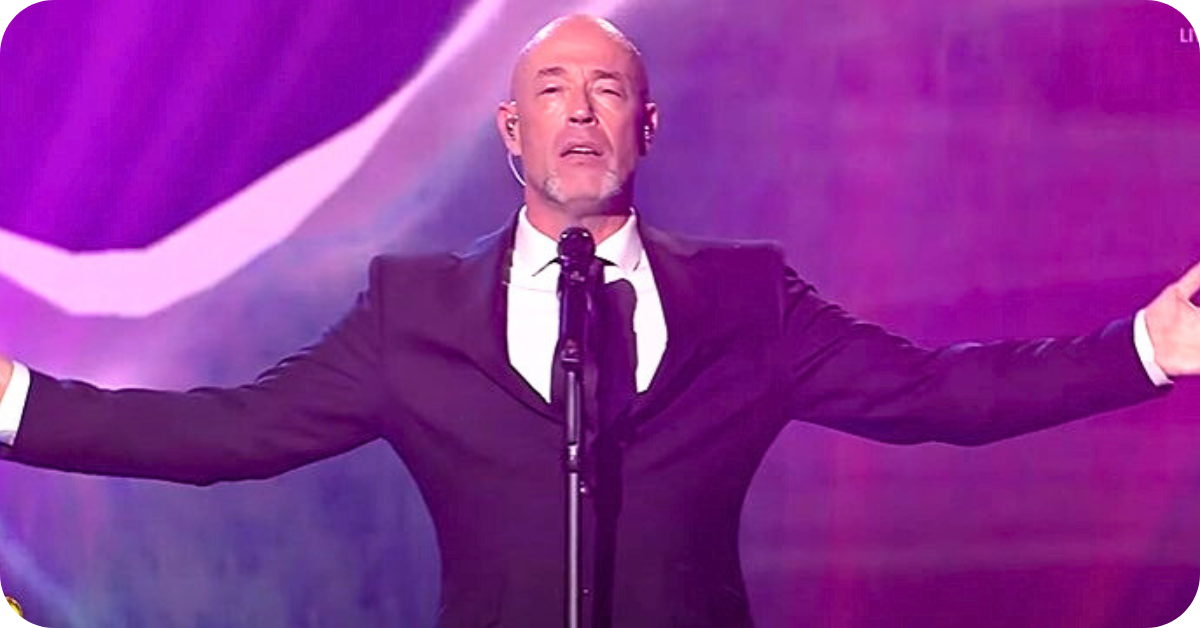
Der Graf chose the Goldene Henne gala on 12 September 2025 in Leipzig for his long-awaited Bühnen comeback. In front of roughly 4,500 people he premiered the new single “Wunderschön,” a moment that gave many goosebumps; the opening line — “Es ist wunderschön, dich heute wiederzusehen” — immediately struck a chord with the audience and fans watching at home.
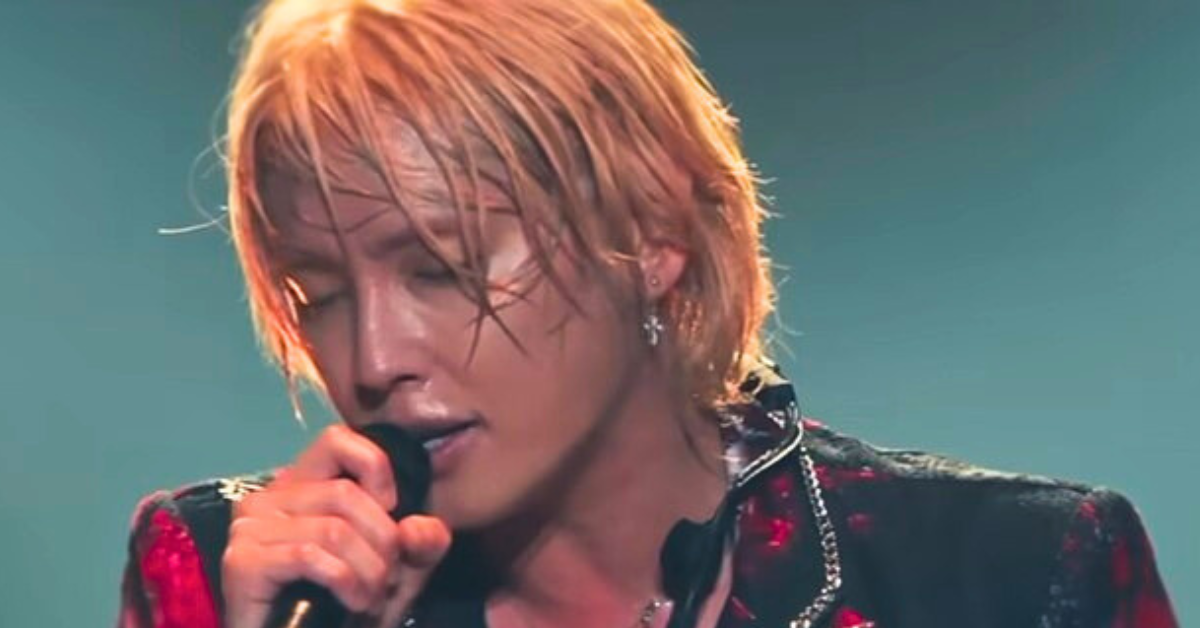
After the song he struggled to contain his emotion. With trembling hands and visible tears, he addressed the Publikum: “I’m sorry if my emotions overwhelm me, but this is music — it’s what I love,” he said (broadcast interview clip available). His vulnerability on stage underlined how deep the connection to his listeners remains after the pause.
Host Florian Silbereisen offered warm words: “We’re so happy you’re back.” Der Graf likened his feelings to a child in a candy store: “You feel, in that moment, what you’ve missed for so long.” To close the evening, he joined the MDR‑Sinfonieorchester for a medley of his biggest hits — a stirring finale that cemented the comeback as one of the night’s defining moments.
“I feel like a little boy in a candy store. The emotionen übermannen me.” — Der Graf at the Goldene Henne 2025
The significance of the Goldene Henne for Unheilig’s comeback
The Goldene Henne — one of Germany’s best-known media awards — provided the perfect stage for Der Graf’s return. The televised gala reaches a wide audience and turns standout performances into national moments; in recent years the live broadcast and online highlights have reached millions of viewers and fans across the country. For German-language artists, the award’s symbolic bridging of East and West adds particular cultural weight.
Past winners include numerous music stars — Helene Fischer among them, who holds a record number of trophies — which underlines how a Goldene Henne appearance can reaffirm an artist’s relevance. For Der Graf, the gala was not only a comeback but a public confirmation that his music still resonates.
Fan reactions
Social media filled quickly after the performance. Under #UnheiligComeback thousands of fans shared their emotions and memories:
“I have tears in my eyes, just like Der Graf. After neun jahren hearing that voice again — indescribable! #UnheiligComeback”
“Der Graf is back and it feels like he never left. His voice goes straight to the heart. #GoldeneHenne #UnheiligComeback”
Media response
National outlets also highlighted the moment: one paper called it a “goosebump moment of the year,” while others described the appearance as an emotional highlight of the Goldene Henne. Music magazines framed the comeback as proof that heartfelt songs still hold sway in the German music scene.
“Der Graf proved that big emotions still have a place in Germany’s musical landscape. His comeback at the Goldene Henne was more than a performance — it was a statement.”
Looking ahead: new album and tour
After his emotional Goldene Henne appearance, Der Graf is turning to the future. The new studio album Liebe Glaube Monster is slated for release in March 2026, with the single “Wunderschön” offering an early preview. A first run of 17 shows in December 2025 sold out almost immediately, underscoring that the audience appetite for his music remains strong despite the pause.
From November 2026 to February 2027, a major arena tour will follow, visiting 26 cities across Germany, Austria and Switzerland. “I’m really looking forward to celebrating with my fans again and feeling that special connection,” Der Graf said in an interview — a sentiment that explains why the comeback was such a powerful moment for both artist and Publikum.
The legacy of Unheilig in German musical culture
Unheilig has left a lasting mark on Germany’s music landscape. With more than five million records sold and numerous awards, the project ranks among the country’s most successful German-language acts of recent decades. Der Graf’s music bridged scenes and generations — from gothic underground to mainstream radio — and crossed regional divides between East and West.
The song “Geboren um zu leben” in particular became an almost modern folk standard, played at weddings, funerals and public ceremonies. Der Graf’s melancholic, emotionally direct lyrics have offered comfort and hope to listeners in many life moments.
His return at the Goldene Henne showed that Unheilig’s songs still carry weight: the tears in his eyes and the audience’s overwhelming response made clear that, even after neun jahren pause, the band holds a place in the hearts of German music fans.